The original Manifesto was drafted between Nov 2024 to February 2025 with support from a working group of seven diverse individuals from Africa and Asia with a wide range of backgrounds. This initial document was launched officially at the Culture Summit in Abu Dhabi in April 2025.
Following the AAOO pilot case, the document was updated with the learnings.
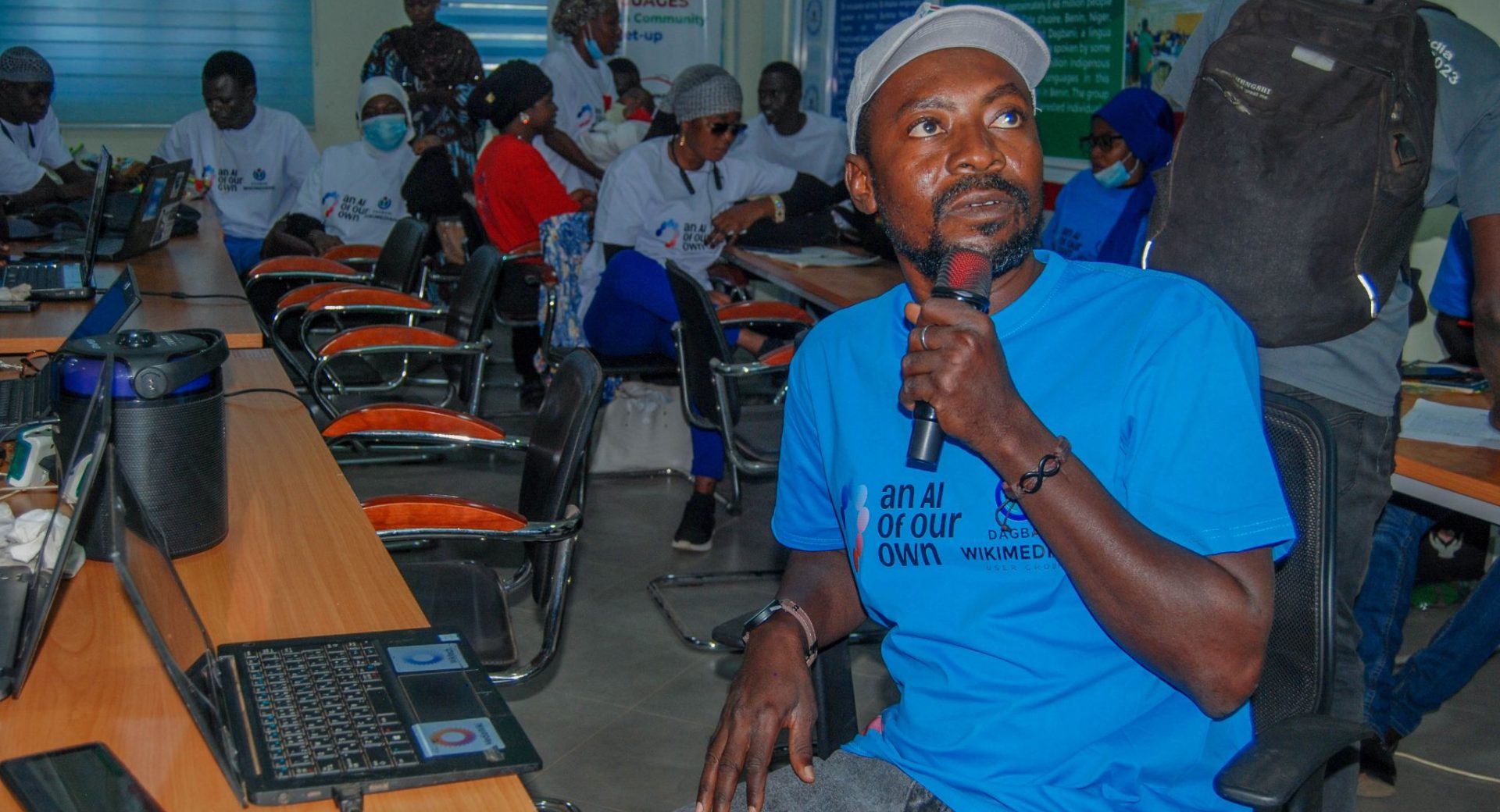
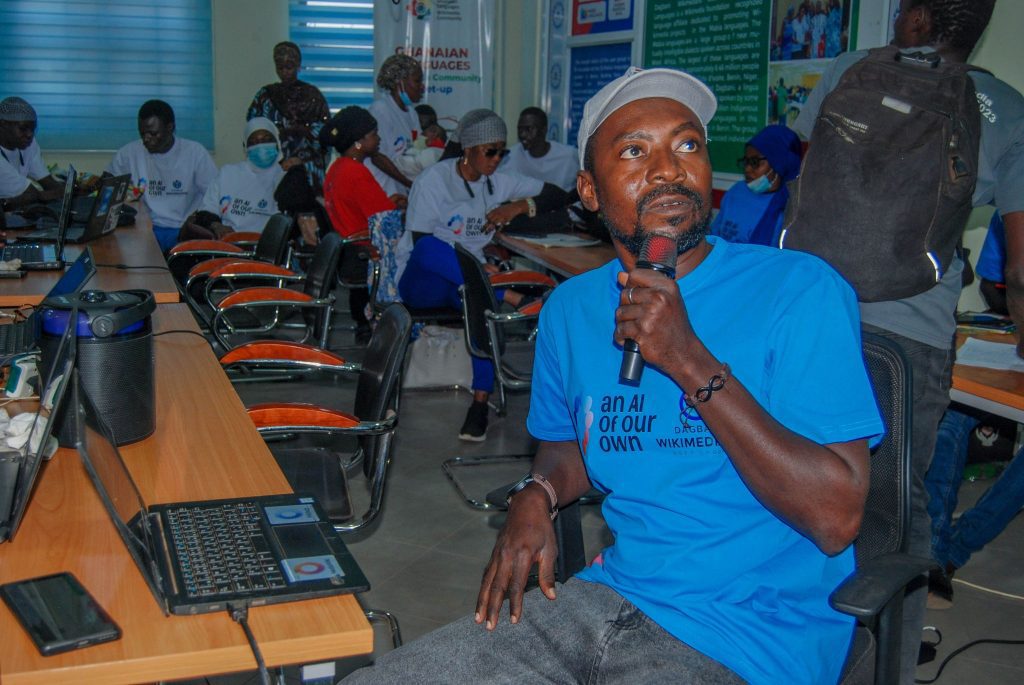
We received a grant from the Mozilla Foundation to work on the development of a community-centered voice AI for Mozilla Common Voice in Khmer and Dagbani languages in Cambodia and Ghana. We developed “Voices of Our Own,” a mobile-first, offline-capable mobile application that connects directly to the Common Voice Public API to enable contributors to record and submit voice samples offline, syncing to Common Voice once internet connection is available.
Throughout the project, we worked with communities and language experts to record 5,000 sentences in each language. As part of our efforts, Khmer has been added as a language to Common Voice.
Plant -based Indigenous Knowledge Systems in South Africa
Prototype Testing
June – August 2025
East London Community members x AAOO Pilot
Completed
June – September 2024
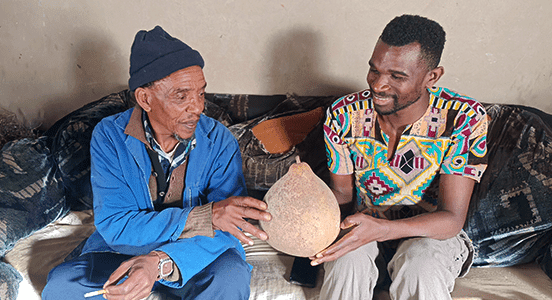
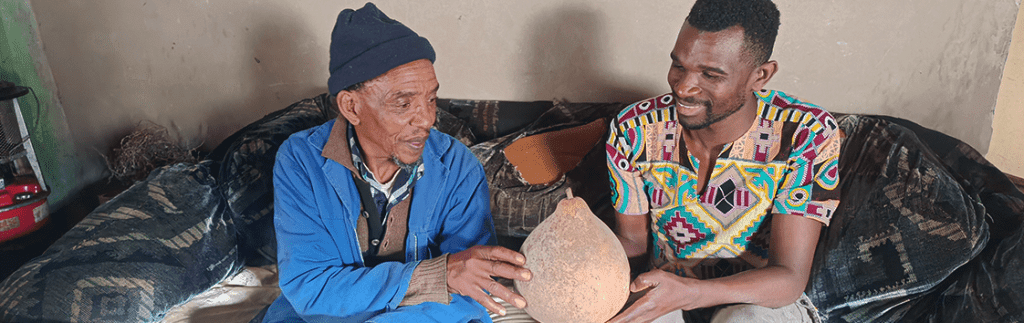
AAOO’s first pilot case in South Africa involves East London Community members including Community knowledge elders, traditional herbalists (AmaXwele), Vendors, youths, general members of the community who use the herbs, ethnographers, ethnobotanists, Shweshwe designers, and the academic community members.
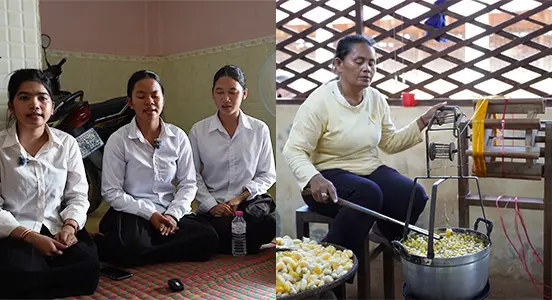
Data recording for the Ikat weaving technique included engaging with the weavers. These community members were recorded harvesting the silk, dying, and weaving. Communities shared their knowledge and experiences in weaving, how it impacted their lives, the types of tools they use and how they have acquired them. Additionally community members shared information on the different types of patterns and how they were used.
Information on how this knowledge is being transmitted over the years has been recorded from all the data collected for all the traditional forms.
Cambodian Smot Chanting & Tradtional Ikat weaving Pilot
Prototype Testing
September – October 2025
Cambodian Smot Chanting Pilot
Ended
September – October 2025
Smot is a traditional form of Buddhist chanting performed at funerals and religious ceremonies, with very deep, and elaborate melodies. This form has been preserved through private and monastic ritual practices.
Ikat weaving in Cambodia is a technique that involves textile designing through dying threads/yarn from either silk or plant fiber which will be woven into unique patterns inspired by the Khmer traditions. This process involves carefully aligning the dyed yarn during the weaving process.
Audio and visual recordings were focusing on understanding how the communities relate with their cultural heritage and traditional forms. This involved recording of community members performing the Smot in Cambodia, and traditional rituals on the indigenous knowledge systems on indigenous plants in South Africa. Community of weavers in Takeo, Siem Reap, and the Silk Island (Koh Dach) were engaged for structured and semi-structured interviews that were recorded as audios and videos. Additionally, the weavers were also recorded visually doing the weaving on their personal, workshop, and family traditional looms. Qualitative structured tabulated data was collected specifically in South Africa through Epicollect5 mobile application in addition to the unstructured data.
Landscape Researching and Mapping
Completed
June – September 2024
Landscape Researching and Mapping
Completed
June – September 2024
AAOO commissioned a research project to explore the landscape of digital heritage initiatives especially in connection with AI in Africa and Asia. The research identified 110 projects and 98 individuals, and explored how and why cultural heritage projects integrate technology, what leading voices in the field were saying and why, and what current initiatives there are focused on community-driven and ethical AI, particularly with a global south focus.
The report was released internally in March 2025 and is now available to the public here.